Microsoft retires iconic ‘Blue Screen of Death’ after four decades, introduces sleeker black version
After more than 40 years of signaling critical system errors to users, Microsoft is officially phasing out the notorious “Blue Screen of Death” (BSOD). The iconic error screen, infamous for its abrupt interruptions and ominous blue hue, will soon be replaced by a revamped version with a black backgr
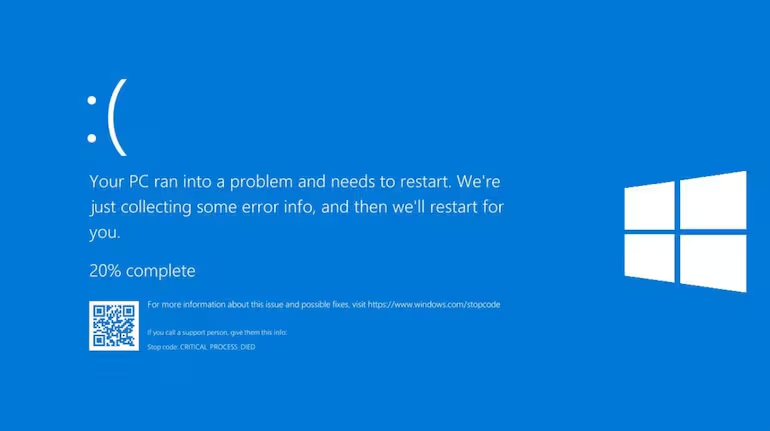
After more than 40 years of signaling critical system errors to users, Microsoft is officially phasing out the notorious “Blue Screen of Death” (BSOD). The iconic error screen, infamous for its abrupt interruptions and ominous blue hue, will soon be replaced by a revamped version with a black background and simplified messaging.
The announcement came via a blog post from Microsoft on Thursday, where the company outlined new measures to improve system resilience and user experience in the Windows operating system. This move is part of a broader effort to streamline how users interact with critical error notifications, especially in the wake of high-profile system failures.
“Now it’s easier than ever to navigate unexpected restarts and recover faster,” the company stated, noting that the redesigned interface is meant to reduce panic and confusion during system crashes.
The redesigned error message, which will be rolled out with Windows 11 version 24H2 later this summer, replaces the long-standing blue screen with a sleeker black background. The text is more concise and no longer includes the sad face icon that has been part of the message since Windows 8. Instead, it reads: “Your device ran into a problem and needs to restart,” accompanied by a visible progress percentage of the restart process.
Microsoft’s timing is notable. The update follows the major global IT outage in 2024 caused by a faulty update from cybersecurity firm CrowdStrike. That incident led to widespread disruptions in critical systems around the world, many of which ran on Windows. The fiasco reignited debates about system stability and the need for better user-facing diagnostic tools.
Historically, the BSOD signaled a serious system error that caused Windows to shut down or reboot unexpectedly, often to prevent damage or data loss. While useful for developers, it became a source of dread for everyday users, symbolizing everything from frozen work sessions to irreversible system crashes.
By simplifying the messaging and updating the visual design, Microsoft hopes to make the experience of unexpected restarts less alarming. The change also reflects the company’s broader push toward making Windows more intuitive and less intimidating for users.
The new black error screen is set to debut across all supported devices running the latest Windows 11 update later this year.
More in Business
View allHow Online Businesses Are Valued: Multiples, Risk, and Transferability
Learn how online businesses are valued using cash flow multiples, recurring revenue models, and operational transferability.
The One-Person Online Business in the Age of AI
Discover how artificial intelligence is redefining what a single operator can build, run, and scale without a traditional team.
How Online Businesses Are Valued: Multiples, Risk, and Transferability
Learn how online businesses are priced using earnings multiples, revenue quality, operational risk, and transferability.