Meta to add displays to Ray-Ban Smart Glasses by 2025: Report
Meta is planning to introduce small display screens to its Ray-Ban smart glasses as early as the second half of 2025, according to a report from The Financial Times. The move is part of the company’s broader ambitions to enhance its wearable technology with mixed-reality capabilities, though the gla
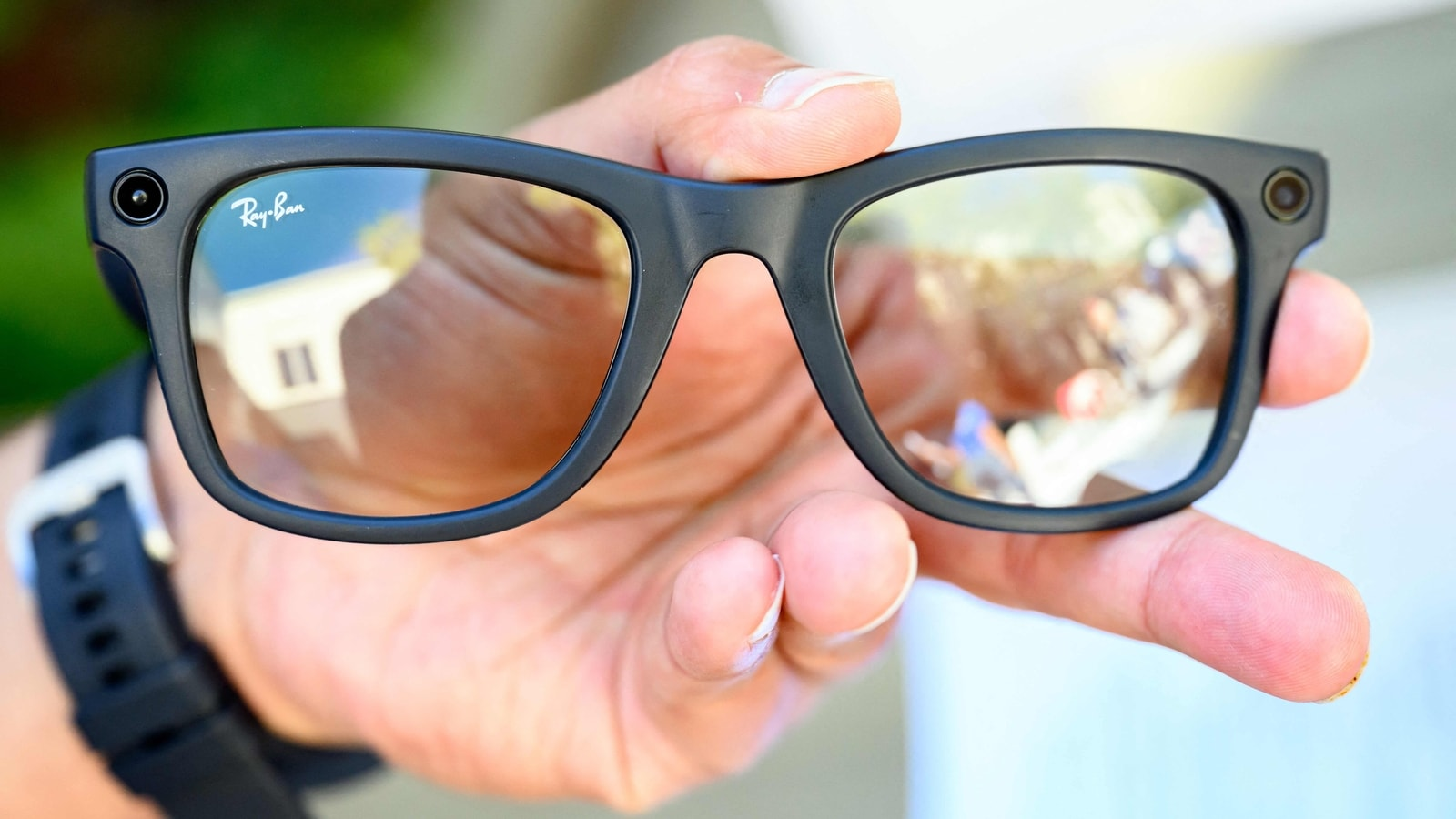
Meta is planning to introduce small display screens to its Ray-Ban smart glasses as early as the second half of 2025, according to a report from The Financial Times. The move is part of the company’s broader ambitions to enhance its wearable technology with mixed-reality capabilities, though the glasses will not become a full-fledged augmented reality (AR) device akin to Apple’s Vision Pro.
The second-generation Ray-Ban smart glasses, which Meta launched in partnership with eyewear giant EssilorLuxottica in November 2023, already offer a variety of AI-driven features. These include helping users remember where they parked their car, sending voice messages on WhatsApp and Messenger, and offering hands-free access to certain apps. However, the next iteration of the glasses will incorporate a small display, which will primarily show notifications and responses from Meta’s virtual assistant, rather than full AR experiences.
While Meta’s push into mixed-reality glasses is advancing, it is not expected to deliver an augmented reality product similar to the Apple Vision Pro anytime soon. The forthcoming displays will not offer the immersive AR experiences seen in more advanced headsets but will serve as an additional layer of functionality for everyday use. Sources familiar with the development told The Financial Times that the launch of Meta’s augmented reality glasses prototype, named Orion, is now planned sooner than previously anticipated. Despite this acceleration, the consumer release of Orion is still several years away.
The Orion glasses, first unveiled in September, promise to offer a lightweight, mixed-reality experience by incorporating some of the features of Meta’s more powerful Quest 3 virtual reality headset, which is much larger in size. CEO Mark Zuckerberg has positioned the Orion glasses as the “most advanced” eyewear the world has ever seen, although the technology will initially be limited to notifications and virtual assistant interactions.
The move comes as several tech giants ramp up efforts in the mixed-reality space. In September, Qualcomm CEO Cristiano Amon revealed that the chipmaker is collaborating with Samsung and Google on the development of connected mixed-reality glasses that could pair with a smartphone. Meanwhile, Apple is reportedly working on a more affordable version of its $2,500 Vision Pro headset, with a release expected after 2027, catering to a more budget-conscious market.
More in Business
View allHow Online Businesses Are Valued: Multiples, Risk, and Transferability
Learn how online businesses are valued using cash flow multiples, recurring revenue models, and operational transferability.
The One-Person Online Business in the Age of AI
Discover how artificial intelligence is redefining what a single operator can build, run, and scale without a traditional team.
How Online Businesses Are Valued: Multiples, Risk, and Transferability
Learn how online businesses are priced using earnings multiples, revenue quality, operational risk, and transferability.